Offshore Fishing Adventures in Quepos You’ll Love
Explore the Ultimate Fishing Charters: Understanding How They Function and What You'll Experience
Fishing charters offer a distinctive way to discover the adventure of angling, accommodating both novices and seasoned fishermen. These trips come in various formats, each presenting different opportunities to catch diverse species. Understanding the complexities of fishing charters can enhance the experience. Nonetheless, aspiring participants need to consider numerous factors before starting on this aquatic journey. What insights will aid in selecting the perfect charter for an unforgettable experience?
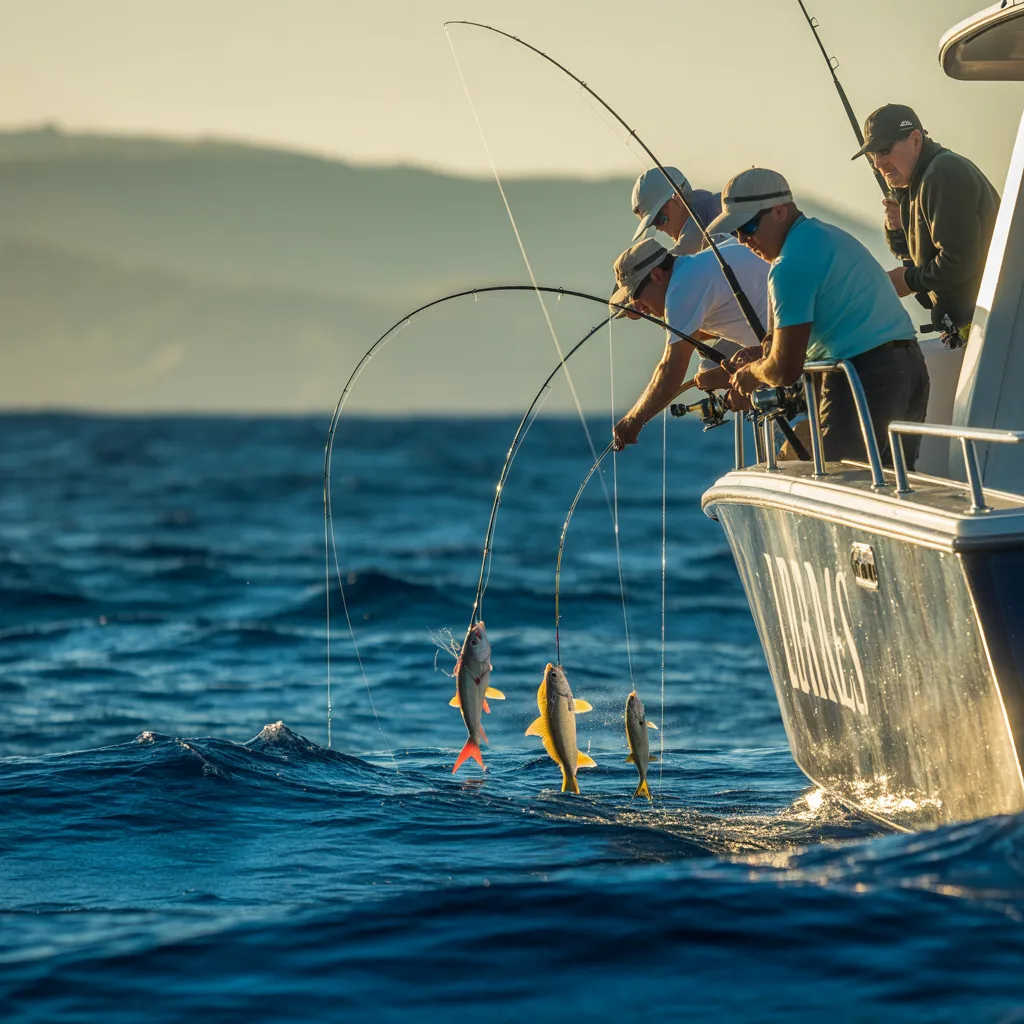
Understanding Fishing Charters: What They Are and Who They're For
Fishing charters represent professional services giving individuals or groups the chance to engage in fishing activities, often led by skilled professionals. These services serve a range of skill levels, from novices seeking an introduction to fishing to expert anglers wanting to improve their skills or access specific fishing spots.
Generally, fishing charters provide diverse packages, which may feature half-day or full-day trips, equipment leasing, and local information of the best fishing locations. Guests can opt for between inshore, offshore, or specialty fishing experiences, based on their desires and the type of fish they desire to catch.
Such offerings attract families, corporate groups, and fishing enthusiasts, delivering a educational and enjoyable experience while promoting bonding and teamwork. By means of fishing charters, participants can appreciate the beauty of get started nature while taking part in a recreational activity that fosters relaxation and adventure.
Which Types of Fishing Charters Are Best?
When considering the best types of fishing charters, two primary options stand out: inshore fishing charters and deep sea fishing trips. Inshore charters typically serve those seeking a more accessible experience, often targeting species closer to the shore. In contrast, deep sea trips present the thrill of fishing in open waters, where larger and more diverse fish can be found.
When examining the top types of fishing charters, two primary options stand out: inshore fishing charters and deep sea fishing trips. Inshore charters usually accommodate those seeking a more accessible experience, often targeting species closer to the shore. In contrast, deep sea trips present the experience of fishing in open waters, where greater and more diverse fish can be found.
When considering the best types of fishing charters, two main options stand out: inshore fishing charters and deep sea fishing trips. Inshore charters generally serve those seeking a more manageable experience, often targeting species closer to the shore. In comparison, deep sea trips deliver the excitement of fishing in open waters, where bigger and more diverse fish can be found.
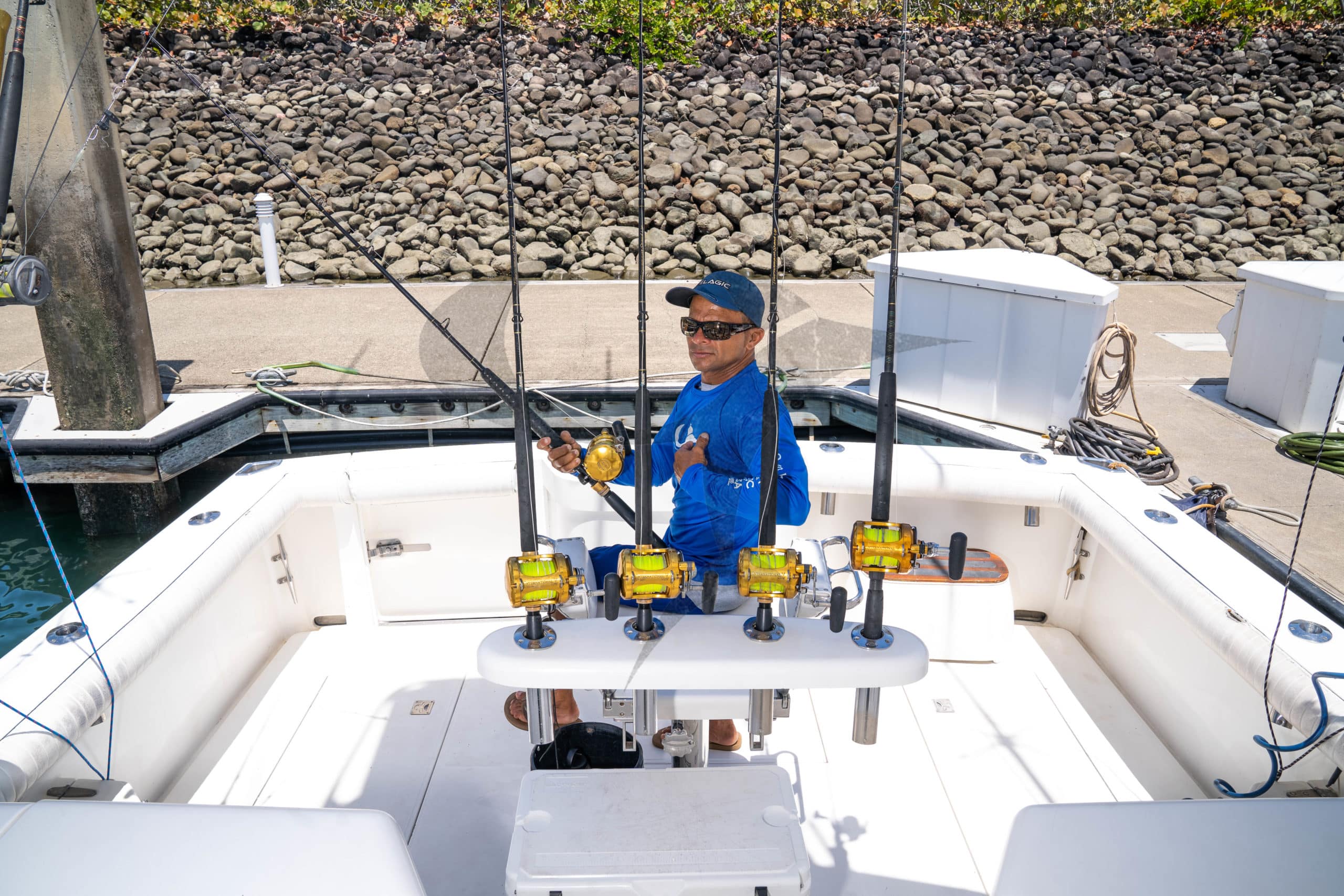
Coastal Fishing Charters
Inshore fishing excursions deliver an easy approach for anglers to engage with various marine life while taking in the calm waters near the shore. These charters generally target species such as redfish, snook, and flounder, making them perfect for both beginner and experienced fishermen. The trips commonly take place in bays, estuaries, and near coastal reefs, offering a unique opportunity to explore diverse habitats. Inshore charters are generally shorter in duration, permitting anglers to return to the dock within a few hours. Many operators furnish all essential equipment, including rods, reels, and bait, simplifying the process for participants. All in all, inshore fishing charters represent a great option for those looking to try fishing without going far from land.
Saltwater Fishing Trips
For fishermen looking for a more thrilling adventure, deep sea fishing trips provide an opportunity to venture far beyond the shoreline. These charters usually operate in deeper waters, targeting larger species such as tuna, marlin, and shark. Experienced captains and crew guarantee that participants are well-equipped for the challenges of the open sea. Charters can vary in duration, ranging from half-day excursions to multi-day adventures, catering to different skill levels and preferences. Amenities often include fishing gear, bait, and sometimes even meals, enhancing the overall experience. Moreover, deep sea fishing trips often offer breathtaking views and the chance to encounter marine wildlife, making them a memorable choice for fishing enthusiasts. Each trip provides excitement and the potential for a trophy catch.
What to Anticipate in Charter Costs?
When considering fishing charters, comprehending the costs involved is crucial. Several factors determine charter prices, including the category of boat, duration of the trip, and the number of passengers. A typical cost breakdown can enable potential customers budget effectively for their fishing outing.
Components Impacting Charter Prices
While numerous factors can impact the cost of fishing charters, understanding these elements is important for aspiring anglers planning their trips. Geographic location plays a substantial role, as charters in sought-after fishing destinations generally command higher prices. The type of fishing experience offered, whether inshore or offshore, also influences costs, with offshore trips usually being more expensive owing to longer travel times and increased fuel expenses. Charter size and capacity affect pricing; larger vessels accommodating more passengers commonly result in elevated fees. Seasonal demand can additionally impact costs, with peak seasons producing increased prices. Furthermore, the inclusion of amenities such as gear rental, food, and beverages can contribute to the total expense of the charter experience.
Typical Cost Breakdown
Understanding the common cost structure of fishing charters is vital for anglers organizing their trips. Charter costs generally break down into several categories: the base fee, which often differs by the type of fishing and the size of the vessel; fuel charges, which can fluctuate based on distance traveled; and extra expenses such as bait, tackle, and licenses. Most charters also include gratuities for the crew, typically ranging from 15% to 20% of the total cost. Seasonal demand can further influence pricing, with peak times often commanding higher rates. Finally, anglers should assess any optional add-ons, such as catering or special equipment rentals, which can substantially impact the overall cost of the fishing experience.
Important Supplies for Your Fishing Charter
A productive fishing charter demands meticulous preparation, and having the right gear is critical for enhancing the experience. Anglers should begin with a premium fishing rod and reel ideal for the type of fish they aim to catch. Knot-tying equipment and tackle boxes filled with various lures, hooks, and weights are also essential for flexibility during the trip.
Proper clothing, including sun protection and waterproof gear, guarantees comfort, while polarized sunglasses aid in reducing glare and improving visibility in the water. Furthermore, a cooler for keeping caught fish and refreshments is important for an enjoyable day on the water.
Last but not least, individual items including a fishing license and a first-aid kit should not be overlooked. By collecting this crucial gear, fishermen can improve their fishing charter adventure and boost their chances of a fruitful catch.
Safety Guidelines for a Secure Fishing Trip
What measures can anglers implement to guarantee safety on a fishing charter? To begin with, they should choose a reputable charter company with experienced crews and well-maintained vessels. It is important for anglers to familiarize themselves with the boat's safety equipment, including life jackets, first aid kits, and fire extinguishers. Before departure, they should join a safety briefing, understanding emergency procedures and the layout of the boat.
Moreover, anglers should be conscious of weather conditions, as rough seas can create significant dangers. Wearing suitable clothing and using sunscreen can help protect against the elements. Remaining hydrated and consuming light meals can also contribute to overall wellness during the trip.
Last but not least, maintaining transparent communication with the crew is crucial; they are equipped to handle emergencies and can deliver assistance as necessary. By adhering to these recommendations, anglers can ensure a safer and more enjoyable fishing experience.
Increase Your Catch: Time-Tested Tactics and Strategies
Once safety on a fishing charter, optimizing the catch becomes a top priority for anglers. Proven strategies include choosing the right bait, which should imitate the natural prey of the target species. Anglers should also consider the time of day; early mornings and late afternoons frequently deliver better results. Understanding local fishing regulations and seasonal patterns increases the chances of success, as fish behavior can differ substantially throughout the year.
Employing multiple fishing techniques, like trolling, bottom fishing, or fly fishing, can be helpful in relation to the conditions. Furthermore, having patience and persistence is important; fish may not bite at once. Speaking with the charter crew can give valuable information, as experienced captains often share recommendations on the best spots and techniques. On the whole, a combination of knowledge, strategy, and adaptability will considerably boost the chances of a rewarding fishing experience.
Picking the Top Fishing Charter for Your Trip
While selecting the perfect fishing charter for an trip, anglers should consider several key factors to ensure an enjoyable experience. First, they should review the charter's reputation by checking reviews and testimonials from previous clients. This feedback can give information into the crew's expertise and the success rate of fishing trips. Next, anglers should examine the type of fishing provided, such as deep-sea, inshore, or freshwater, confirming it aligns with their preferences.
Furthermore, it is vital to question regarding the watercraft's amenities and safety protocols. A well-maintained boat supplied with appropriate safety gear boosts comfort and security during the journey.
Lastly, budget considerations play a crucial role; anglers should compare prices and inclusions, such as gear rental and bait. By reviewing these factors, anglers can make an informed decision, securing a memorable and productive fishing charter experience.
Popular Questions
Am I Allowed to Bring My Personal Fishing Equipment on the Charter?
Yes, most fishing charters allow guests to bring their own fishing gear. That said, it's wise to check with the charter operator ahead of time to confirm alignment with their rules and any essential gear requirements.
Is Food and Drink Included in the Charter Package?
Food and drinks are not always included in fishing charter packages. It varies by provider, so guests should check ahead of time to verify they have enough provisions for their trip.
What Takes Place When Weather Conditions Are Unfavorable on Charter Day?
If the weather is bad on charter day, the company generally postpones the charter or provides a full refund. Safety stays the top priority, ensuring that all participants are safeguarded against adverse conditions.
Are Fishing Licenses Provided by Charters?
Charters generally provide fishing licenses for their clients, maintaining compliance with local laws. This convenience permits anglers to concentrate on their experience without having to deal with obtaining individual licenses prior to participating in the fishing expedition.
Do All Charters Require Catch and Release?
Not all charters require catch and release; requirements change depending on area and species type. Many charters recommend it to support sustainability, while some allow anglers to keep particular fish, according to area fishing laws and policies.